

Canarinho da alemanha
Quem matou meu curió
Canarinho da alemanha
Quem matou meu curió
Canarinho da alemanha
Quem matou meu curió
Canarinho da alemanha
Quem matou meu curió
Canarinho da alemanha
Quem matou meu curió
Eu jogo capoeira
de Angola é o melhor
Coro
Canarinho da alemanha
Quem matou meu curió
Na roda da capoeira
Quero ver quem é melhor ê
Coro
Canarinho da alemanha
Quem matou meu curió
Eu jogo capoeira
Mas Pastinha foi melhor
Coro
Canarinho da alemanha
Quem matou meu curió
Eu jogo capoeira
Na bahia Maceio ê
Coro
Canarinho da alemanha
Quem matou meu curió
O segredo da lua
É saber o clarão do sol
Coro
German canary
Who killed my songbird
German canary
Who killed my songbird
German canary
Who killed my songbird
German canary
Who killed my songbird
German canary
Who killed my songbird
I play capoeira
angola is the best
Chorus
German canary
Who killed my songbird
In the roda of the capoeira
I want to see who is the best
Chorus
German canary
Who killed my songbird
I play capoeira
However, Pastinha was the best
Chorus
German canary
Who killed my songbird
I play capoeira
In Bahia Maceio
Chorus
German canary
Who killed my songbird
The moon’s secret
Is knowing the sunshine
Chorus
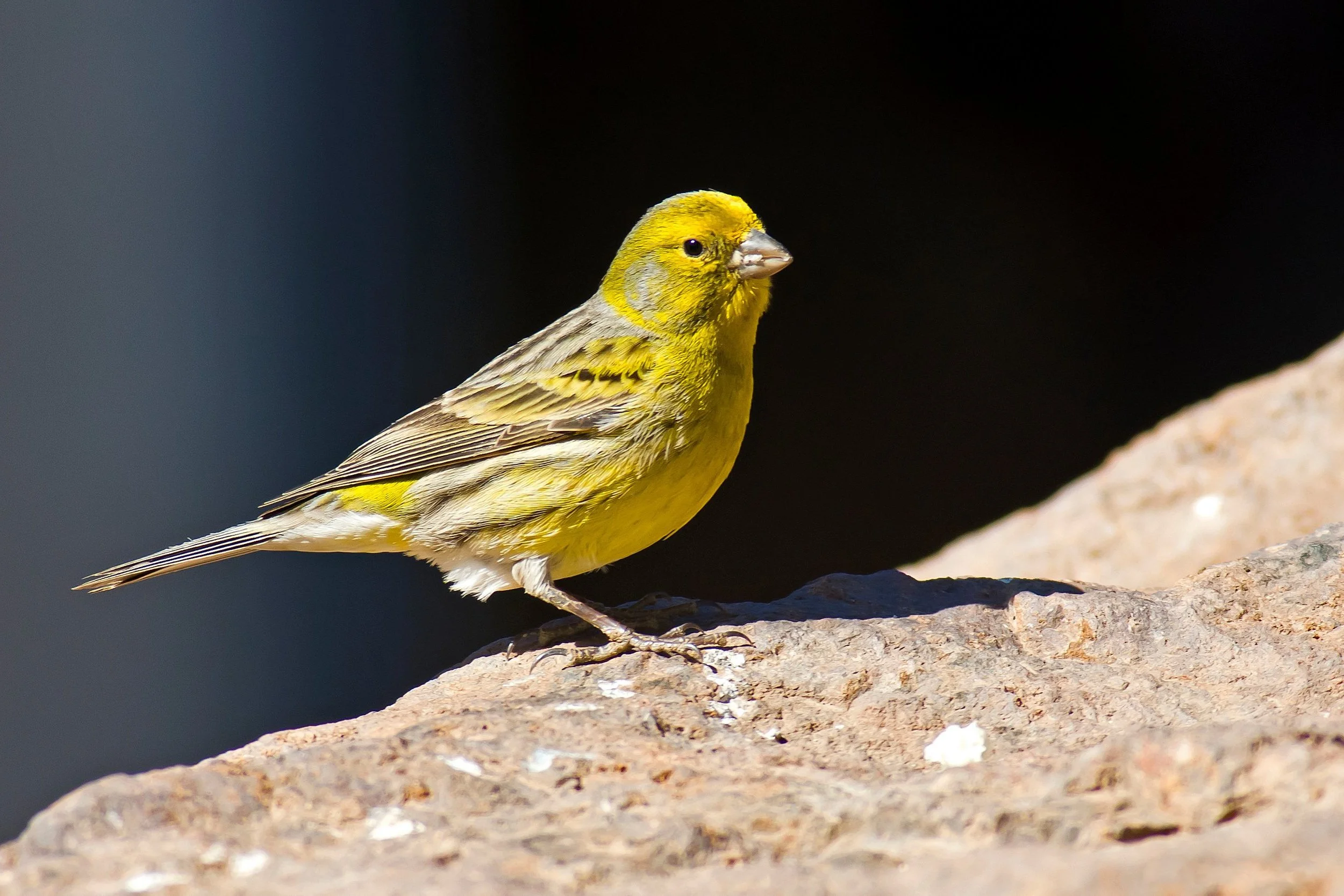
This song is thought to be about influences of other martial arts entering into the capoeira roda. It is to say that outside influences from other forms of fighting sports will ruin the beauty of capoeira. If a player begins to grab, play too aggressively or use moves that are not part of capoeira, this would be an ideal moment to sing this particular song.
It is also believed that the reference to the German canary is linked to German immigration in Brazil during the early 19th Century and the growth of the community over the following decades. Others believe that it is a reference to German mercenaries being employed to hunt down and kill enslaved people that had escaped.
Essentially, this is one of many songs with multiple layers of metaphor and its true meaning may never be known.
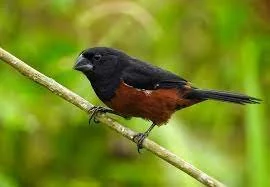
Curió
The chestnut-bellied seed finch (Sporophila angolensis) is a species of bird in the family Emberizidae.
It is found widely in shrubby and grassy areas in tropical and subtropical South America.